J1 League has a lot into works – next year we’ll have 20 teams in the top flight, a new continental competition, a maiden J1 defending champion, and probably the last February to December season. For the fifth year in a row (solidifying this tradition for our readers), J. League Regista assigned its awards. To do that, we summed up a small panel to pick the possible options, then saw the votes coming through polls by our readers and followers:
With Kawasaki Frontale lifting the Emperor’s Cup and Vissel Kobe celebrating their first ever title in J1, it was a year full of emotions and points to discuss. Let’s go through them with the analysis of the categories voted by our readers.
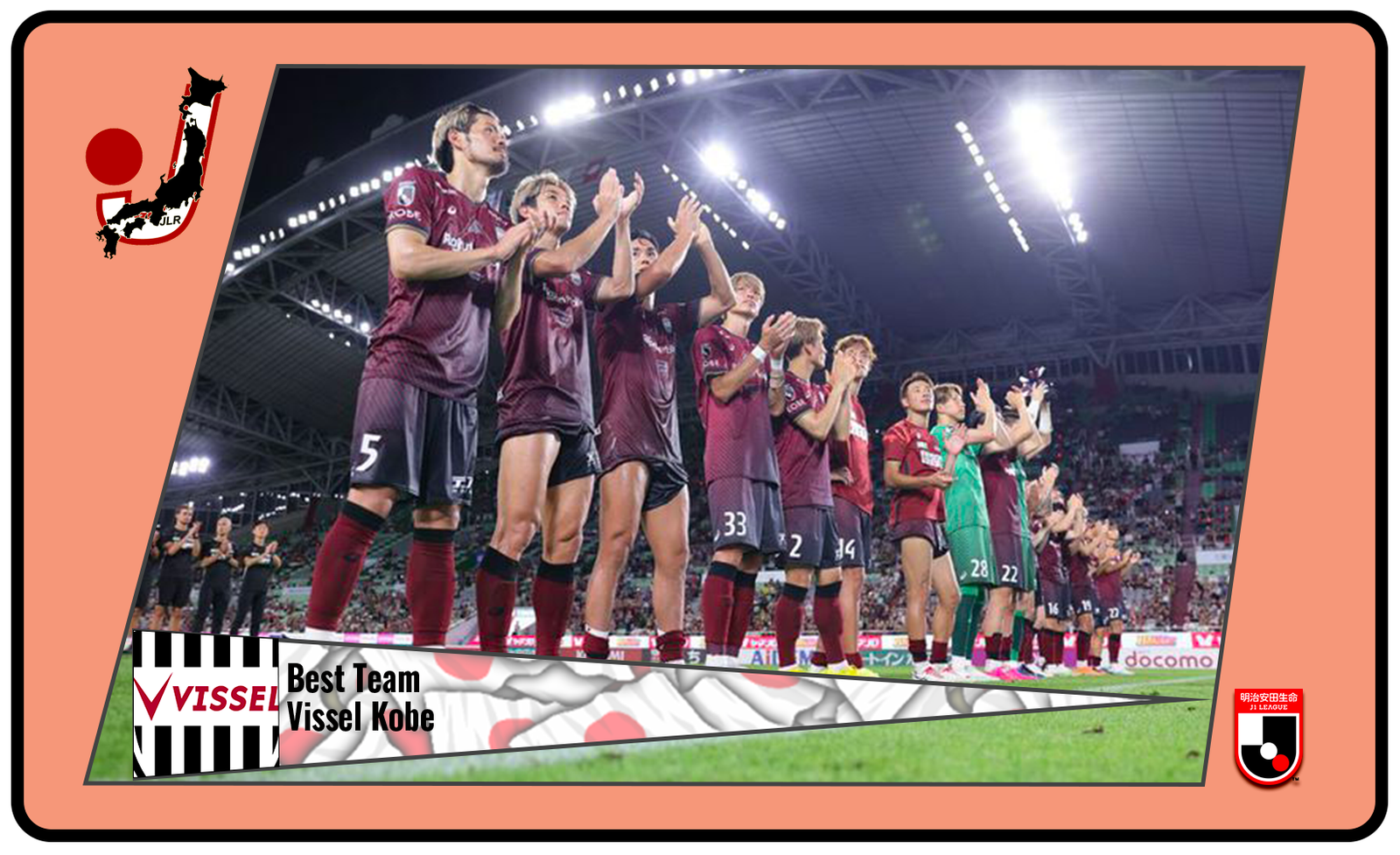
Best Team | Vissel Kobe (72%)
Last year’s Flop Team converted its fortunes. Not many would have bet on Vissel Kobe winning their maiden J1 title, but it seemed natural at a certain point of the season. They won in Yokohama, and they won in Saitama against Urawa (although with some technical mistakes). They’ve been simply able to hold on whenever needed – Vissel took the lead 24 times this season, and they won 21 of those matches (losing just once).
Those 65 points were already enough to grant an ACL spot, just to say. The rest was done mostly by three groups:
- The former Japan national team members – Hotaru Yamaguchi, Gotoku Sakai, Yoshinori Muto, Yuya Osako, Takahiro Ogihara.
- The rising stars and the improving players – Koya Yuruki above everyone, but also Daiya Maekawa, Tetsushi Yamakawa, Daiju Sasaki.
- The “renegades”, who came back from being invisible – Ryo Hatsuse, Yuki Honda, Haruya Ide.
Add a few intelligent additions in the last two seasons – Nanasei Iino, Matheus Thuler, Mitsuki Saito, Jean Patric – and abandoning the “Barcelona” strategy, and then you have a balanced squad with the right amount of experience.
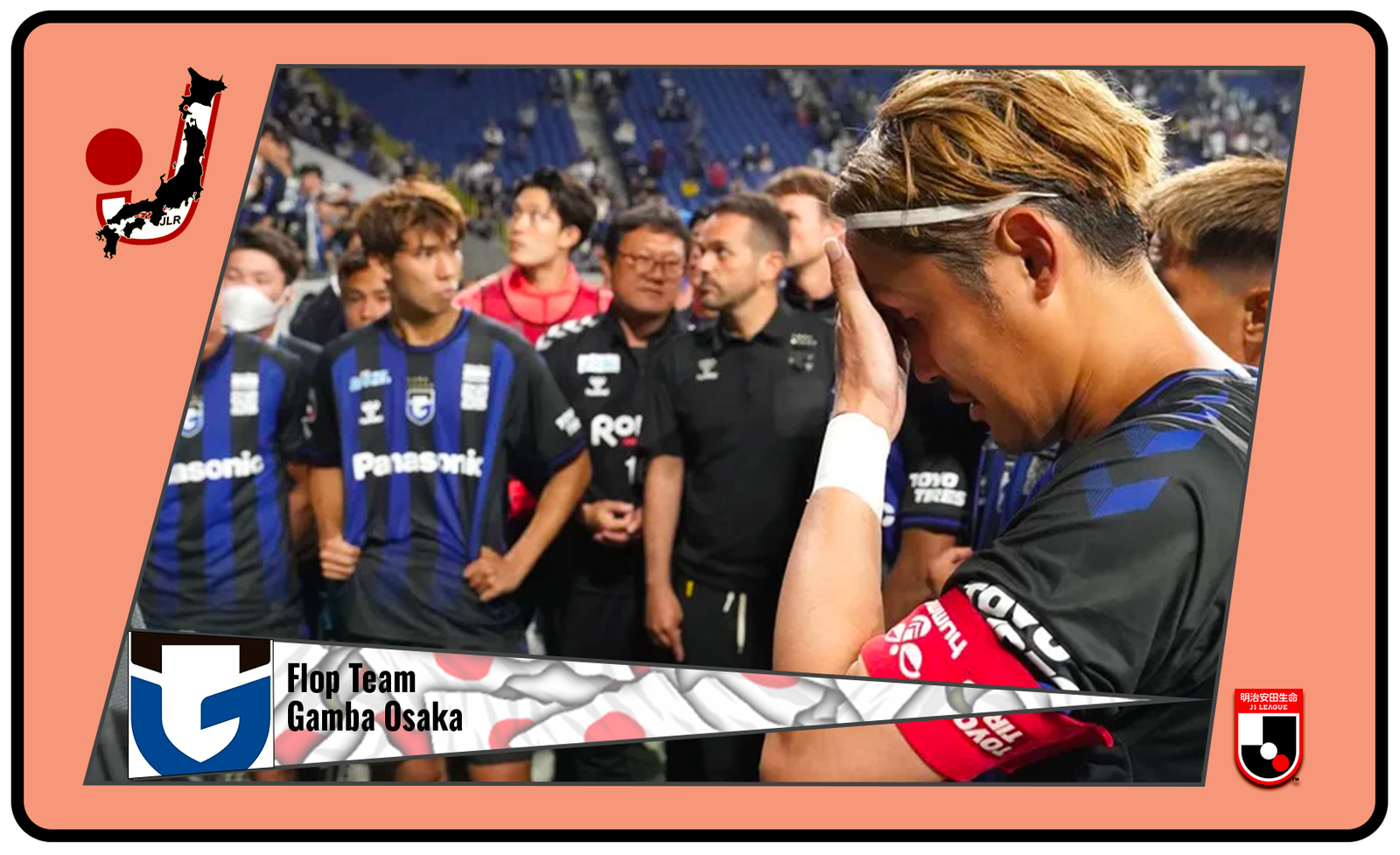
Flop Team | Gamba Osaka (58%)
A schizophrenic team, with two sides uncapable to dialogue between each other. Gamba collected the third longest undefeated run (eight games without a defeat), but also the longest string of losses in this season (seven). It was a young team, without clear guidance, who was among worst to turn the situation around (Gamba went down 22 times this season, they won once and drew three times).
Besides three major managers – Akira Nishino, Kenta Hasegawa, Tsuneyasu Miyamoto – Gamba didn’t keep a certain direction in the last 15 years. Katanosaka out, Matsuda as interim, Poyatos now confirmed, but with some majors. The Spaniard has some credits – Jebali works in his system, Juan Alano is completely recovered, and he discovered Meshino as a midfielder – but is there something more coming?
MVP | Yuya Osako, Vissel Kobe (81,1%)
We would have to check, but we don’t remember an MVP winning with such a Bulgarian consensus. Yuya Osako’s career will inevitably leave some regrets in the end – but he found a way to close it properly. Read here about his contentious profile.
Best Goalkeeper | Ryosuke Kojima, Albirex Niigata (46,9%)
Four years, Kojima wasn’t playing. He wasn’t even a back-up keeper at Oita Trinita. And it took him three years to establish himself as a starter at Albirex Niigata, but he’s blossoming. Read here about his journey.
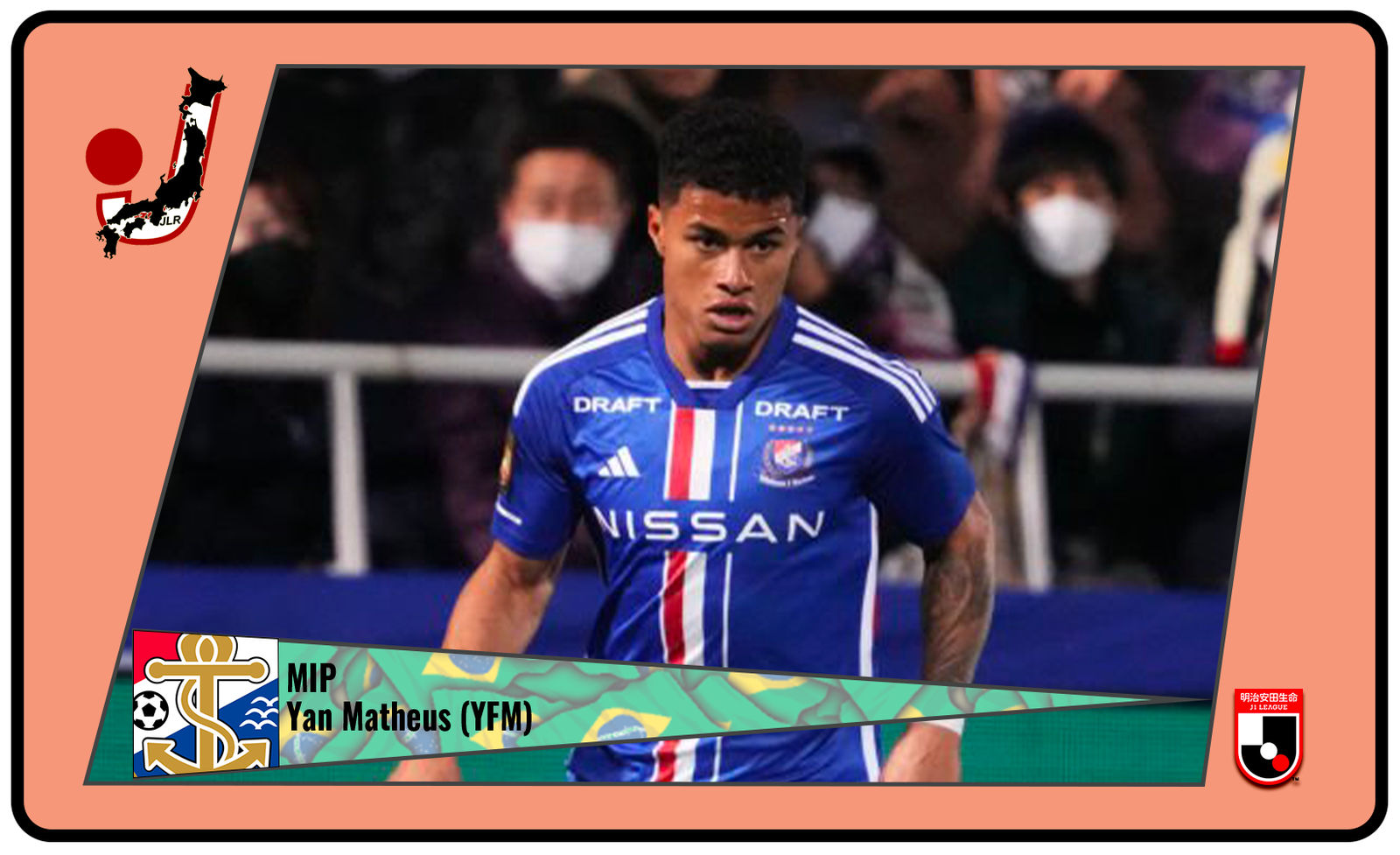
MIP | Yan Matheus, Yokohama F. Marinos (36,4%)
It’s incredible the amount of offensive talent that Marinos can count on – and they still lost the title and they’re on the brink of elimination in the AFC Champions League. Unbelievable. The back-up three up front are Ryo Miyaichi, Takuma Nishimura, and Kota Mizunuma. Kenyu Sugimoto and Kaina Yoshio are barely watching the pitch, plus they still have to explore the depth of Asahi Uenaka’s potential in the penalty box.
Marinos had to sell Marcos Junior because there wasn’t anymore space for him on the pitch. But when they did it, it was because they found a reason to do it – and that reason relied on Yan Matheus. The Brazilian winger has been the perfect completion of the Brazilian trio with Elber and Anderson Lopes. Matheus barely saw the pitch in 2022, but he brought 32 caps and six goals in 2023, proving the initial hint was right by Marinos.
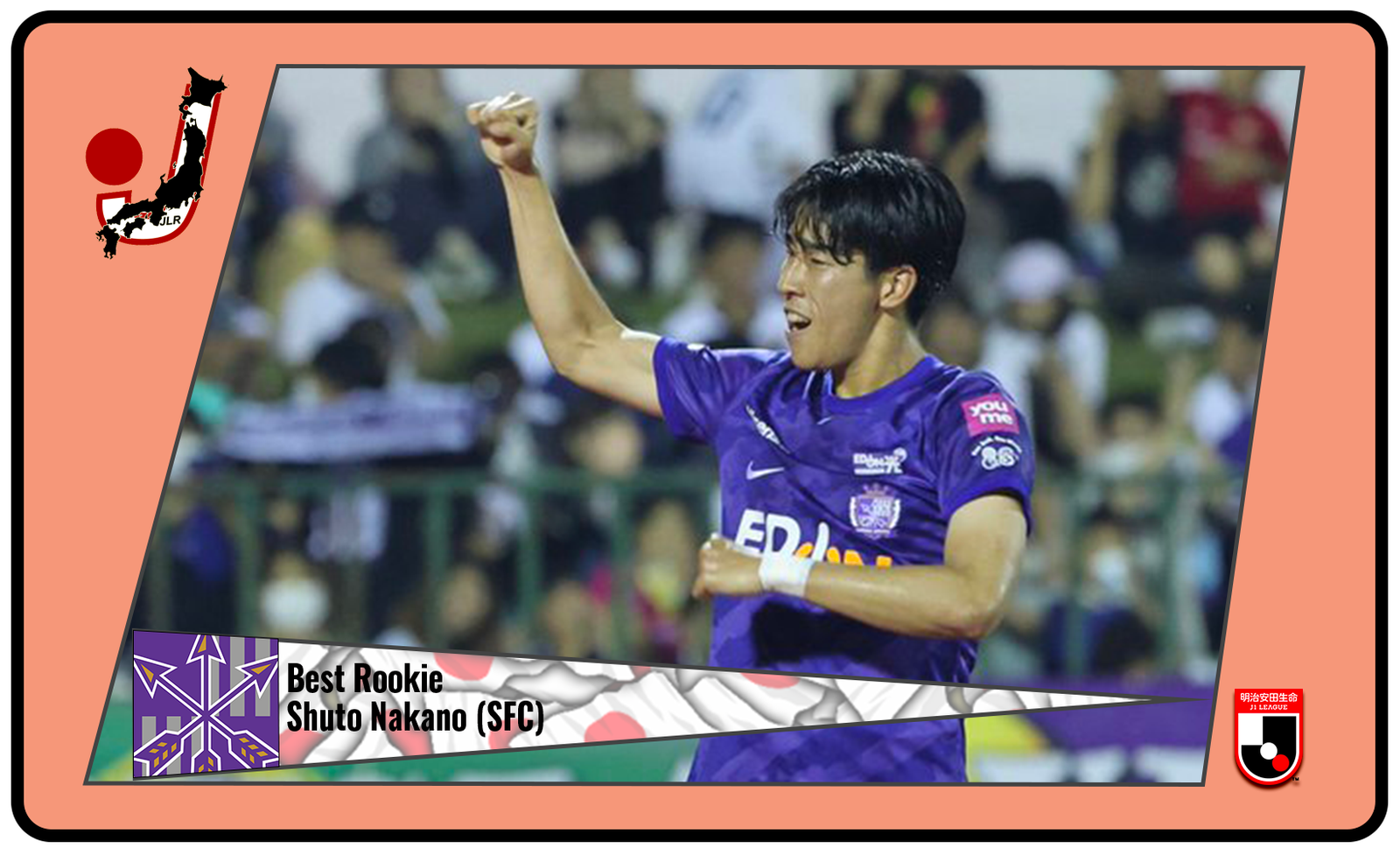
Best Rookie | Shuto Nakano, Sanfrecce Hiroshima (57,1%)
The rookie trophy stays in Hiroshima, last year Makoto Mitsuta won it (and he didn’t confirm the progress done). Shuto Nakano joined from the Toin University of Yokohama, where he even played (and scored!) in the Emperor’s Cup, before winning the All Japan University Football Championship in 2022. Sanfrecce Hiroshima actually signed him that year, but last season he featured just once – 34 minutes in the opening game against Sagan Tosu.
Nakano has gradually gained minutes this season, since Sanfrecce needed a new CB to emerge after letting Yuta Imazu go. Nakano played as well as a wing-back, on the right flank, especially when he took over Kawamura in that position and Chajima wasn’t a good option to use. He looks good – let’s see if he’ll confirm the progress seen this year.
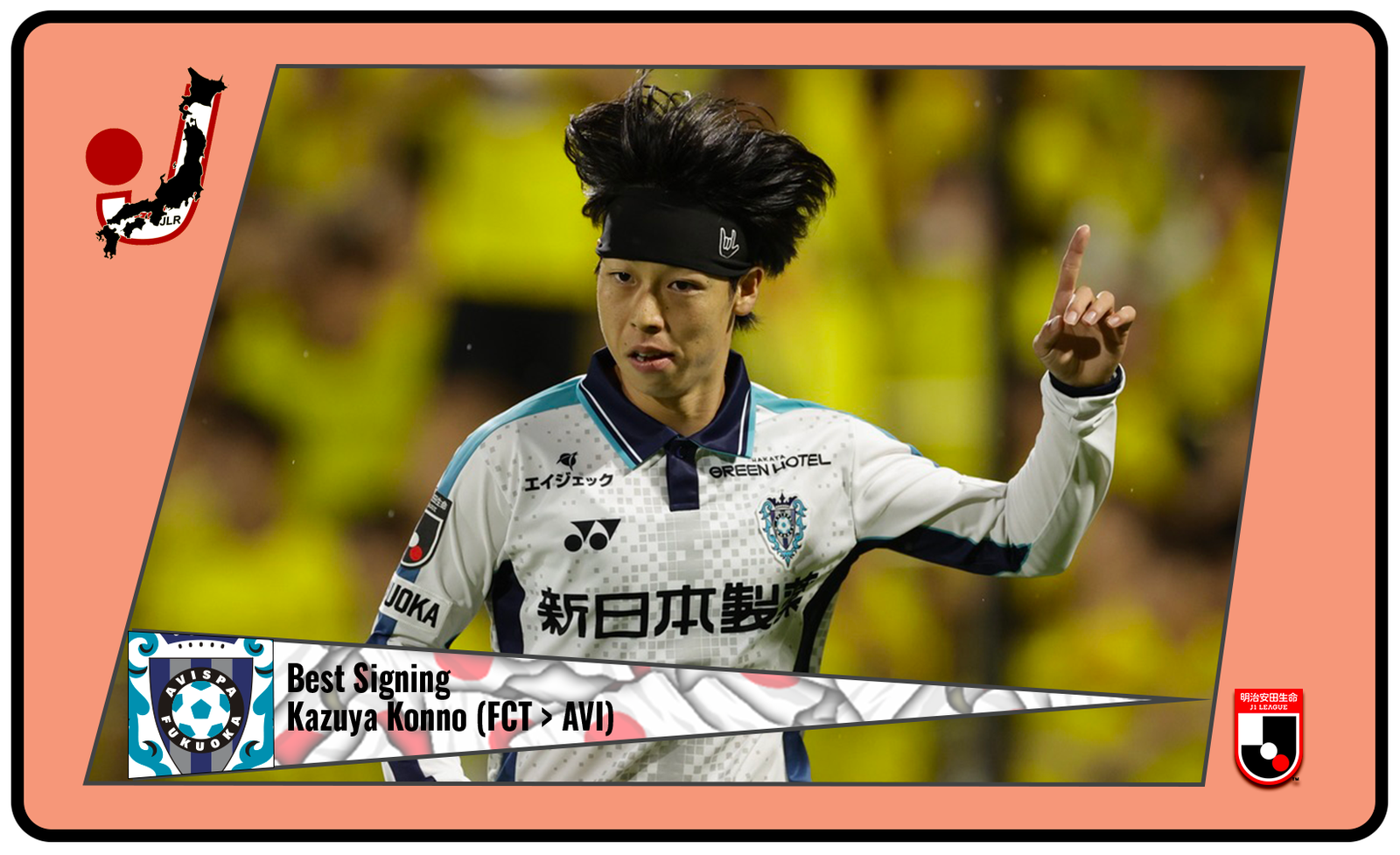
Best Signing | Kazuya Konno, FC Tokyo » Avispa Fukuoka (45,5%)
This award testifies two things. First: FC Tokyo didn’t have space for him, especially because he wasn’t showing the development shown in Fukuoka. Second: how good was Hasebe in developing players in his system? Konno was indeed perfect for the 4-4-2 from Avispa, although there were doubts about him and his skills to replace the ones lost from Jordy Croux, who moved to Cerezo Osaka.
Konno showed already glimpses of raw class, but in a 4-3-3 he felt abandoned. In the 4-4-2 of Avispa – with Yuya Yamagishi playing as a link-up between midfield and forward line – he blossomed into a wonderful player. Konno put together five goals and four assists, with outstanding performances in Saitama against Urawa and in Chiba against Kashiwa. We’re wondering if he’ll take it up another notch next season.
Best Wish | Kasper Junker, Urawa Red Diamonds » Nagoya Grampus (65,9%)
We have to mention Jun Ichimori (his comeback fairytale at Marinos was inspiring), but Kasper Junker won the award, confirming he’s one of the hottest commodity for strikers in J.League. Nevertheless, he might not stay in the end – Urawa Reds changed their manager, and Grampus have already looked to Brazilian options (Wellington from Avispa or, mostly, Patric, who left Kyoto Sanga).
The Danish striker did his job with Nagoya Grampus, scoring 16 goals and bringing the team over the line in terms of reaching the left part of the table. But can he do more? Will he go back to Urawa Red Diamonds, with Schalk, Kante, and probably Linssen leaving? His profile is fascinating (he has a 0,43 goal per game ratio since he’s playing in Japan), like we wrote back in May 2022.
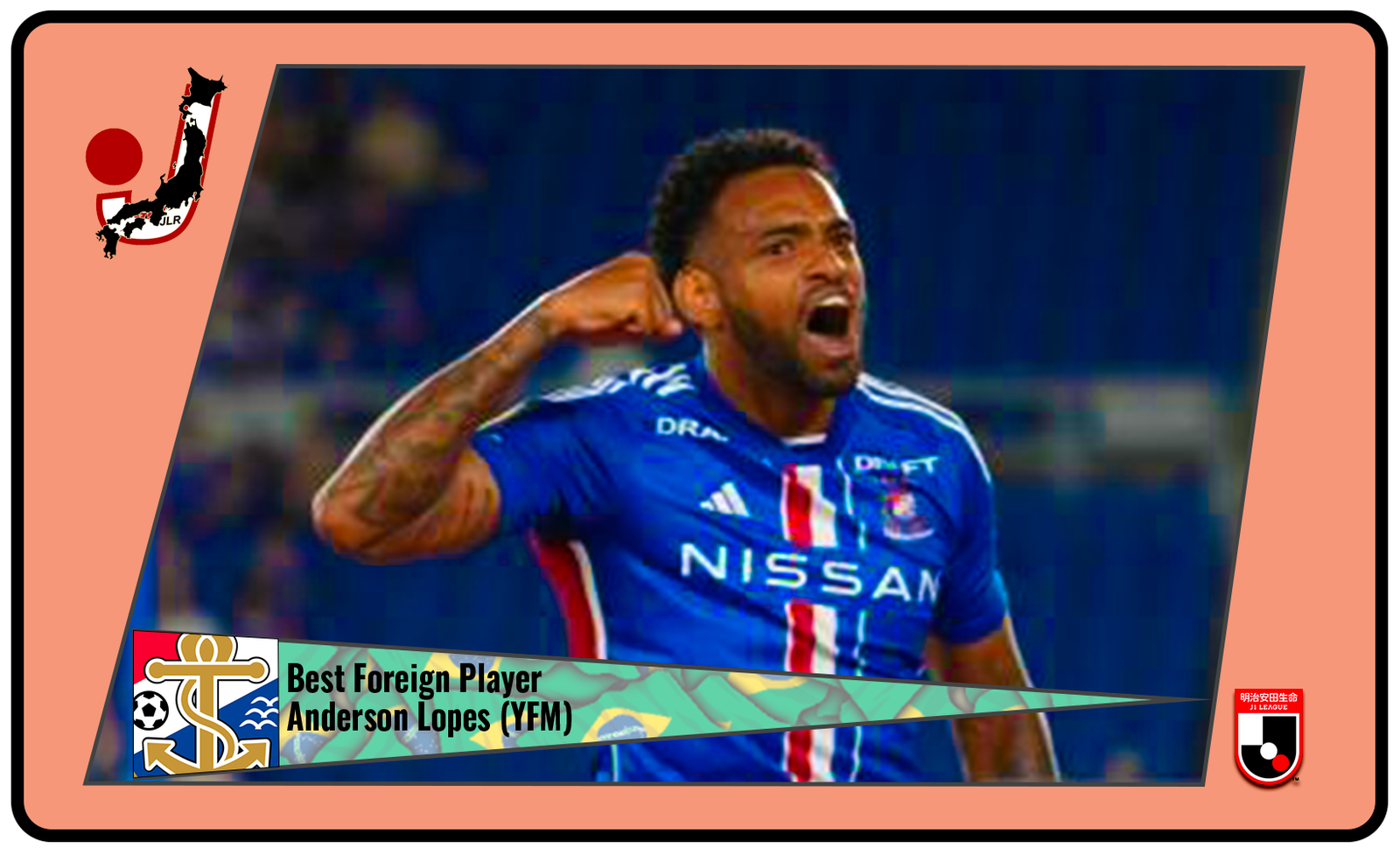
Best Foreign Player | Anderson Lopes, Yokohama F. Marinos (46,7%)
Brazil put another man in this award, and two nominees in the final trio (Elber was involved, although he got third). Anderson Lopes has found new life since he came back to Japan – he scored some goals with Hokkaido Consadole Sapporo, but the ratio wasn’t this one. Joining Wuhan and moving to China – especially when CSL was declining – was surely a bad move by the Brazilian, who’s now living a second life with Marinos.
Anderson Lopes came back to Japan just after six months, and he kept transforming into a proper striker. When he first signed for Sanfrecce Hiroshima (back in 2016, on loan from Tombense), he was a winger. Not at all the player we’re seeing today, and Petrovic helped him change. Muscat just finalized that work – Lopes scored 22 goals (scored a goal every 130 minutes – the second-best average of his career!), shared the Golden Boot with Yuya Osako, and he’s now racked up 73 goals in J1.
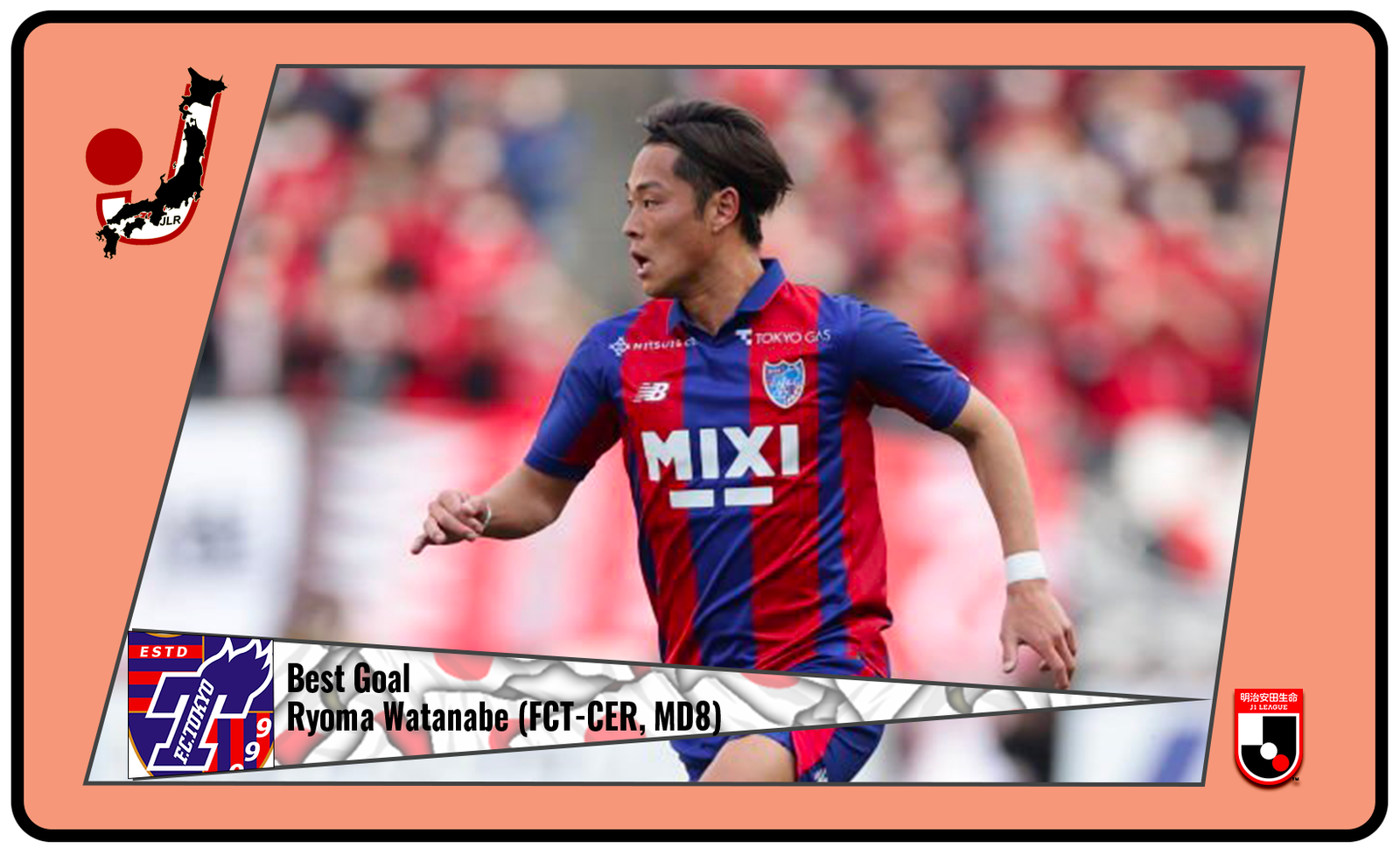
Best Goal | Ryoma Watanabe, FC Tokyo v. Cerezo Osaka (MD8 – 42,1%)
That’s one of the few categories where Regista Awards and J.League Awards tend often to overlap. And it didn’t make any exception this time around, with Ryoma Watanabe winning the award for best goal. A testament to his growth in a complicated environment like FC Tokyo, where Watanabe joined from Montedio Yamagata as a mere back-up option and now deservedly starting despite having to fight for a spot with Nakagawa, Adailton, Tawaratsumida.
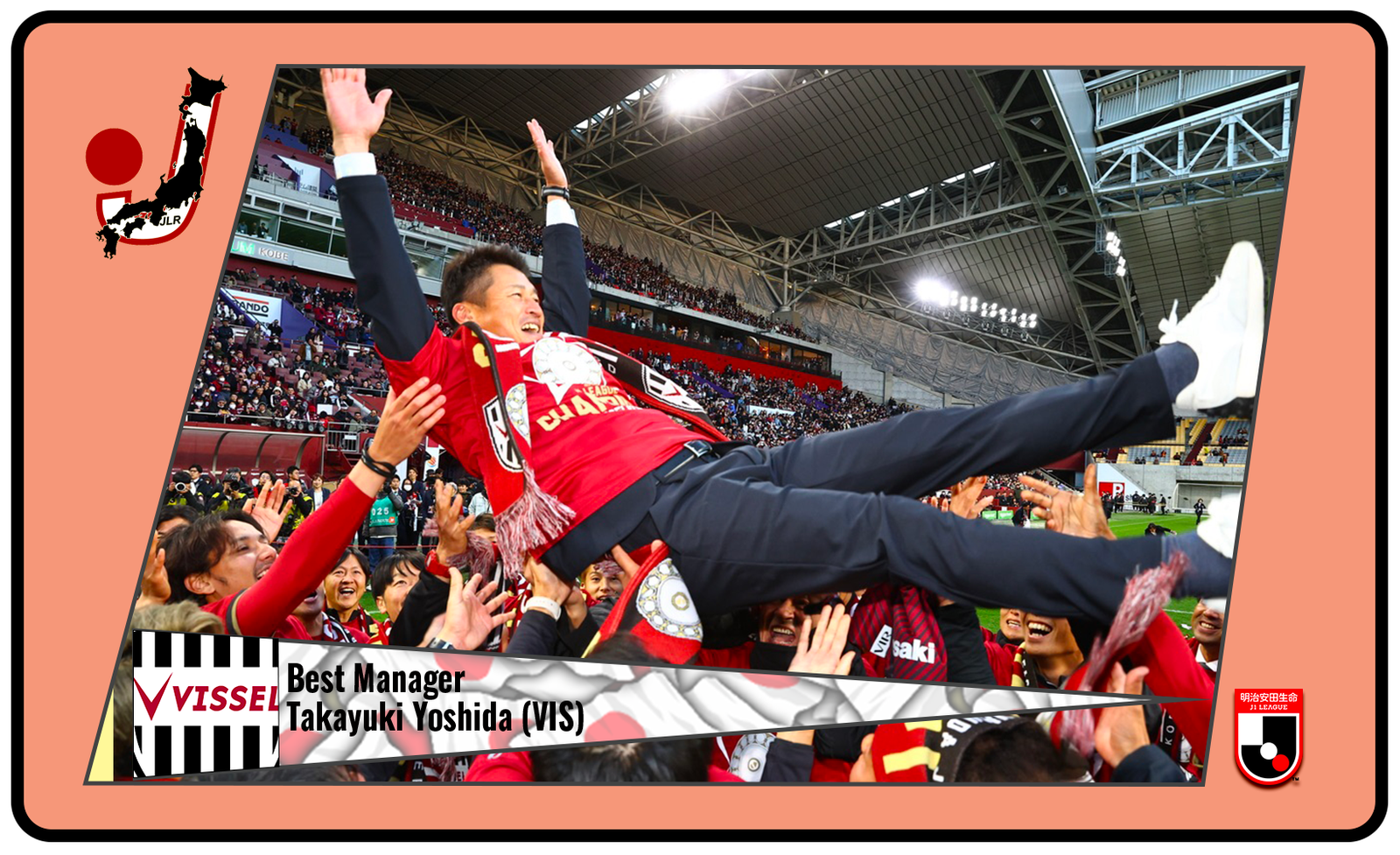
Best Manager | Takayuki Yoshida, Vissel Kobe (51,1%)
This blog would have harshly voted for Shigetoshi Hasebe and his great work in Fukuoka with Avispa, winning the J.League Cup – the first trophy for the club. But a J1 title in Kobe seemed a miracle that was never going to happen, no matter the money Mikitani flowed into Vissel. And when the club fire Atsuhiro Miura after the third place of 2021, that objective seemed even further down the line.
Yoshida has his own credits for what happened – he dropped the most-decorated players of the team. No more Andrés Iniesta, no more Sergi Samper (although Juan Mata had to come – we don’t know the reason though). Even less celebrated, but costly acquisitions – like Lincoln or Stefan Mugosa – were let go for more concrete pieces of the puzzle, like Shuhei Kawasaki or Mizuki Arai.
Yoshida simplified everything, becoming more of a manager of men rather than tactics, putting Osako and Muto at the center of his project. He also overcame the absences of Ryuho Kikuchi (completely out for all the season) and Mitsuki Saito (who had another major injury mid-season). Knowing well the Vissel environment as well helped – Yoshida was a player for Kobe between 2008 and 2013, plus he was the manager already twice.
That’s it for the 2023 Regista Awards for J1 League. In a few days, we’ll catch up as well with the J3 League, which is going longer this season. If you want to catch up with the J2 League, you can read the awards here. Thanks for reading and following our activity throughout the whole year!

[…] for featuring here, we can’t wait to see them again in action for 2024. You can recover J1 League and J2 League awards at the links reported. It’s been a blast to have another year of the Regista […]