When 2020 happened – with the COVID-19 pandemic and everything that follow through –, little did we know about Kaoru Mitoma (and Reo Hatate, for example). His appearance in the Kawasaki’s roster looked like an extra option for Toru Oniki. When football came back from the first wave of the pandemic, Mitoma instead played a season to remember, seriously being in contention for the MVP Award (won then by Michael Olunga).
The Frontale dynasty found another hero, but mostly J. League had the chance of promoting a pure talent who’s now finding his way as well in the Premier League with the jersey of Brighton. The same happened this year too… we would even say something bigger since we forecasted Hiroshima struggling a lot at the bottom of the table, even flirting with relegation.
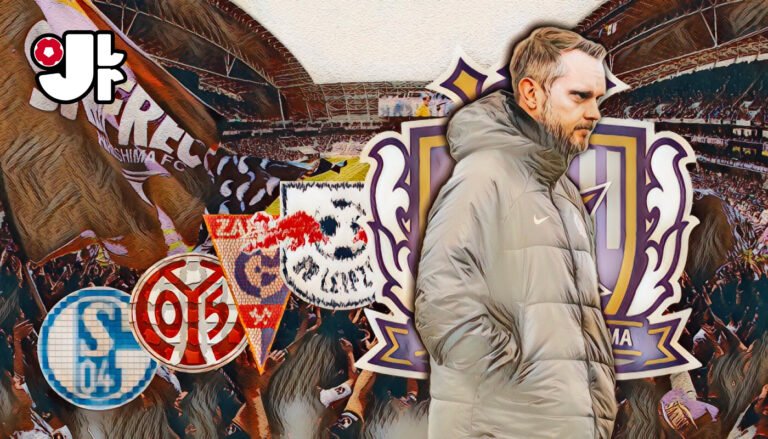
Instead, the safe and sound approach of Michael Skibbe brought the club to the Top 3 of the table, even leading at a certain point. The German head coach also reached two cup finals, winning one of those. And if that happened, it’s not just because of a structured organization within his 3-4-2-1, but also because Sanfrecce hit the jackpot finding the joker of this season.
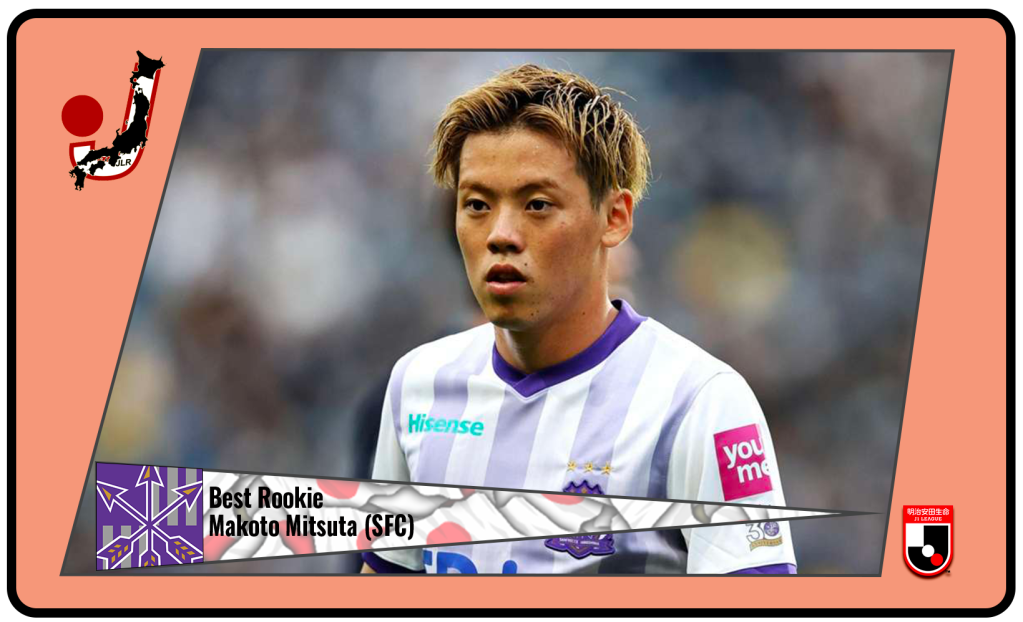
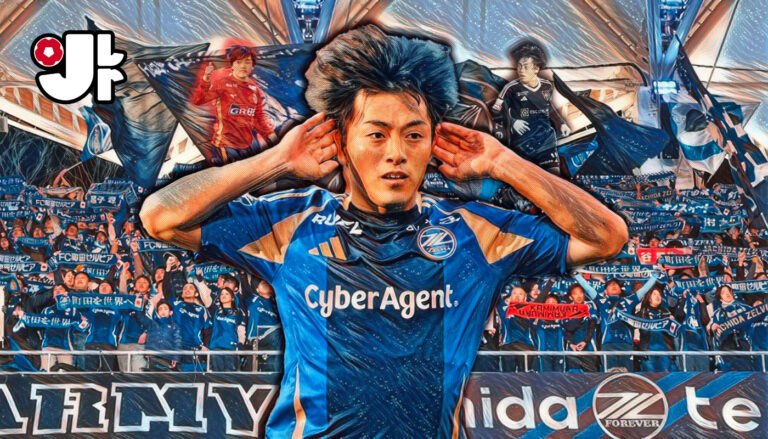
Makoto Mitsuta’s explosion into the Japanese football scene was unprecedented. Or at least, we can think just of Mitoma as a possible comparison. But that’s not even correct, because the readers awarded him with the “Best Rookie” award, but the no. 39 was also nominated for the MVP accolade.
From Kumamoto to Ibaraki
Born in Kumamoto in 1999, Mitsuta wasn’t new to all of this. Already from junior high school, scouts in Hiroshima noticed him. Nevertheless, they left him in Kumamoto to grow, although the tie with Sanfrecce was already forming. And that’s why Mitsuta enrolled in Ryutsu Keizai University, which played in the Kanto Soccer League. Thanks to them, the young player had also a couple of Emperor’s Cup games to play.
In fact, Mitsuta was on the pitch when RKU had to face Urawa Red Diamonds in the 2019 season (where he played 60 minutes) or against YSCC Yokohama in 2021 (where he was even the captain of the team). Alongside Taishi Semba (another prospect developed in Ryugasaki City), it seemed clear Mitsuta was going to join Sanfrecce in 2022, although Hiroshima had him as a “Type-2” player in 2017.
RKU was actually pretty happy since 12 of their players joined J.League teams last Winter, including Asahi Sasaki (Kawasaki Frontale), Yuta Miyamoto (Urawa Red Diamonds), and Taichi Kikuchi (Sagan Tosu). Mitsuta was clear before the season started: “Since I was the captain last season, I felt the responsibility for the other members here. This led to making me grow”. Like others, he dreamt of the national team… little did he know.
Starting in Hiroshima
If Mitsuta was ready for the leap, it might be because of some traits described by people at RKU, like the head coach, Nakano, disclosed: “Mitsuta? He reminded me of Yuki Muto (the player with the most goals in the history of RKU)”. Meanwhile, Mitsuta knew already the environment: “People in Hiroshima have always been warm towards me. It reminded me of Kumamoto, which helped me a lot. I want to represent Japan”.
Nevertheless, it wasn’t going easy to find space. The offensive department was run by Tsukasa Morishima and Yuya Asano, but Sanfrecce had the duo returning from Ehime (Naganuma and Kawamura), plus veteran Kohei Shibasaki and Brazilian Ezequiel. And this without taking pure forwards into account: Junior Santos, Douglas Vieira, Ryo Nagai, Shun Ayukawa, to whom Skibbe added soon Nassim Ben Khalifa.
It seemed a big mountain to climb, but Mitsuta took his chances properly. He had space in the J.League Cup, but his first pro-goal… actually came because of an injury. Shunki Higashi got injured in the second group stage match of J.League Cup and Mitsuta came in with just 24 minutes on the clock. Twenty minutes later, the no. 39 unlocked the game with his goal and started his run.
Bend It Like Kaoru
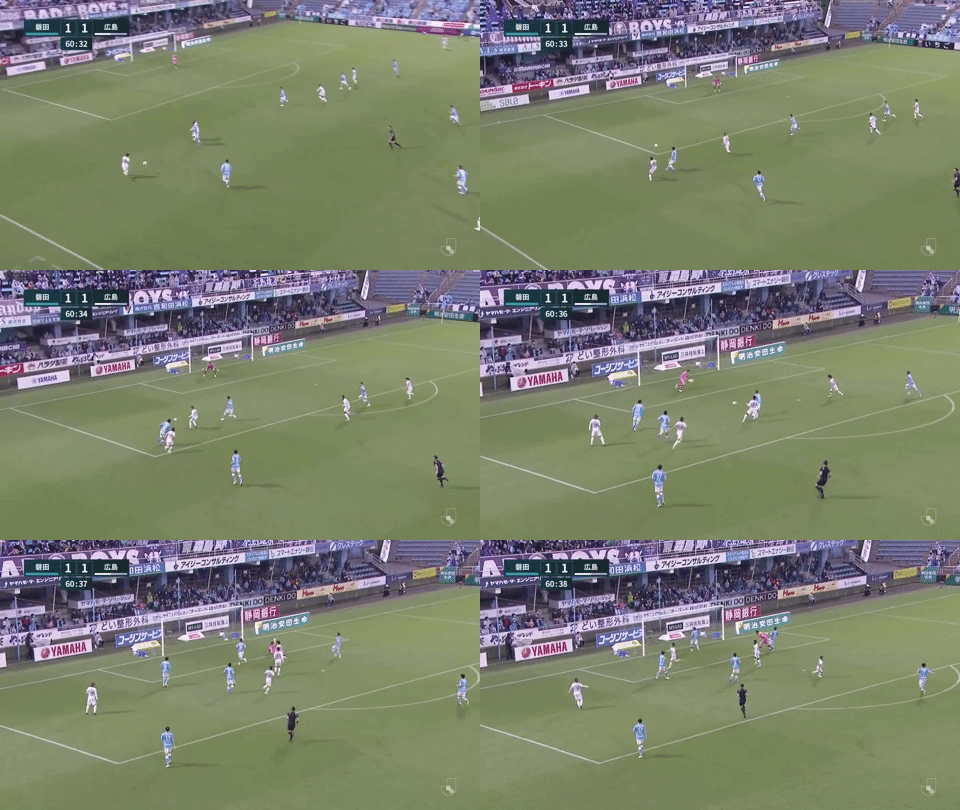
Satisfied with what he saw, Skibbe started him in the league as well. His winning goal in Hiratsuka against Shonan Bellmare was enough to give further sprint. Just like a ball on an inclined floor, Mitsuta just gained traction and never stopped. Asano didn’t come back, and Mitsuta was a perfect match for Morishima behind the lone striker, who often was Ben Khalifa (although Douglas Vieira and Sotiriou later found their minutes, just like Junior Santos in the J.League Cup).
From there, Mitsuta has taken the league by storm: with just one game to go, the no. 39 put together 45 games, 11 goals, and 14 assists in all competitions. The missed PK against Ventforet Kofu almost made us forget how this is a rookie. Just like Kaoru Mitoma in 2020 with Kawasaki Frontale, Mitsuta conquered a massive space… maybe even more since this successful version of Sanfrecce don’t even come close to the peak of Frontale two years ago.
In the end, Mitsuta already achieved the most important dream. No, we’re not talking about lifting the J.League Cup (although winning a trophy is surely fun) or possibly reaching the AFC Champions League next week. The Japan dream came true when Moriyasu called him for the EAFF E-1 Championship, and Mitsuta played a couple of games. If he’ll be able to retain his form, surely Mitstuta will be around for the next cycle.
[…] Shimizu S-Pulse – will be two to watch, but they couldn’t match Mitsuta’s performance. Read here why the no. 39 from Sanfrecce Hiroshima was even more impressive than Kaoru Mitoma in […]
[…] that spans in the roster from the class ’96 to the ’99 – Hayato Araki, Taishi Matsumoto, Makoto Mitsuta, Keisuke Osako himself, and Takumu Kawamura. They’ve been as important as the senators – […]
[…] a good impact in Switzerland since 2023. Makoto Mitsuta was supposed to be the “next big thing” after an incredible rookie season and now he’s been loaned from Sanfrecce Hiroshima to Gamba Osaka. Koki Saito had an excellent […]