June 2018. Summer is close, and I’m in Switzerland. For personal reasons, I think my possible career in the football industry is almost over. That’s why I decided to go to Lugano and realize a dream of mine: seeing Japan live. They’re playing a friendly game at the Cornaredo Stadium against the local national team, who also qualified for the FIFA World Cup in Russia.
It’s a strange situation for Japan. They just released Vahid Halilhodzic a couple of months ago, with the risk of the Bosnian head coach not calling up both Honda and Kagawa in Russia. Akira Nishino took his spot in his place, but the squad looked all over the place: in that friendly, Japan got hammered and lost 2-0.
I didn’t leave immediately the stadium. I wanted to see more. Swiss supporters just went home but pushed as well by the Italian location (Lugano is part of the Italian canton of Switzerland), I decided to stay with the Japanese crowd. I managed to see Honda, Kawashima, Hasebe having some interviews. But mostly, a tired Gaku Shibasaki comes out to the stadium’s parking lot – and I ended up taking a picture with him.
Besides the fact I hold dear to that picture (Shibasaki was considered the heir of Yasuhito Endo and he played a fantastic World Cup before losing himself in Spain), that night felt like the final stop of a good journey. I told myself: “Okay, no football journalism anymore, but at least you granted your final wish from the bucket list”.
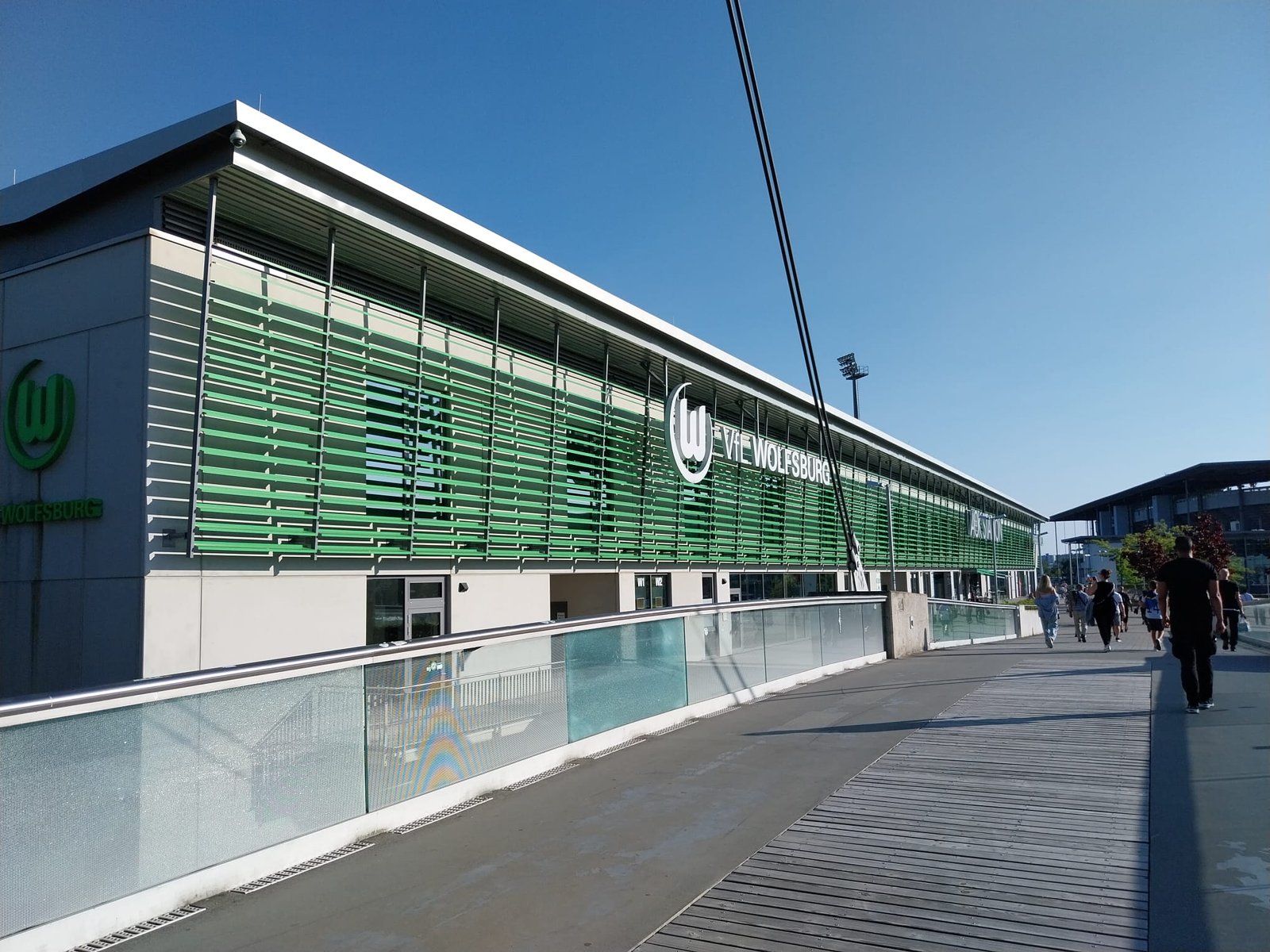
That’s why driving to Wolfsburg five years and three months later, to see Japan playing against Germany, felt even stranger.
The Moriyasu Regime
Japan has changed so much. That 2018 side will have a wonderful ride in Russia: win against a 10-men Colombia, an exciting draw against Senegal, an infamous loss against Poland and the incredible qualification to the Round of 16 due to… yellow cards (good that Japanese sportsmanship served a purpose for once). The 2-3 loss against Belgium will stay one of the best matches of that World Cup.
Hajime Moriyasu, back then, was just an assistant coach for Nishino after his stint with Sanfrecce Hiroshima. He had won everything with the club, and he was sacked in July 2017 after an incredible loss in Saitama against Urawa Red Diamonds. He didn’t seem the strongest candidate to succeed Nishino, but the JFA played it safe. And so he did on the pitch.
Despite Moriyasu having one of the best win percentages among Japan’s NT managers in history, the whole stint felt uncompleted. In the 2019 AFC Asian Cup, Japan reached the final, but even by Asian standards, it was dull to watch. A strong side, that had the best game against Iran in the semifinals, but lost without a say against Qatar for 3-1 in the final.
Being the strongest side in Asia didn’t count. And it didn’t even in the qualifiers. Japan started badly, losing at home against Oman. Then a 2-1 home win against Australia changed the tides, but the player management and the tactical choices of Moriyasu – staying put, defending even when not needed – left more than one question. Including a poor run at the Tokyo Olympics and the terrible 2020 AFC U-23 Asian Cup.
This changed in Qatar. The comeback wins against both Germany and Spain – same result (2-1), same script, almost the same goal scorers – obscured the strange loss against Costa Rica and showed what Japan was. A side capable of defending the space really well, but struggling when they had control of the game, despite the immense talent from the midfield onwards.
The game against Croatia in the Round of 16 came exactly in the middle. Croatia were a side capable of keeping the ball, but not as aggressive as Spain or Germany. Japan went ahead, but a stupid goal conceded brought the game to penalties, where Japan didn’t shine. The results made almost impossible to look for another coach, but a change was needed.
And maybe, it came.
Ein wunderbar Nacht in Wolfsburg
Moriyasu faced Germany 10 months after that Doha game – but with the same conditions. Hansi Flick was still the Germany NT head coach, Germany were going through the same problems of Qatar, and the lack of a solid number 9 haunted die Nationalmannschaft. Meanwhile, Japan got rid of Yuto Nagatomo, Maya Yoshida and Shuichi Gonda, noticeably lowering the average age of the squad.
Furthermore, the single players and talents developed. Wataru Endo became the captain and moved to Liverpool from Stuttgart. The loan of Takefusa Kubo to Real Sociedad became a permanent deal and made him a real player. Kaoru Mitoma wasn’t just being a joker card for Roberto De Zerbi at Brighton but turned into a starter. Ayase Ueda moved to Feyenoord after scoring tons of goals in Belgium.
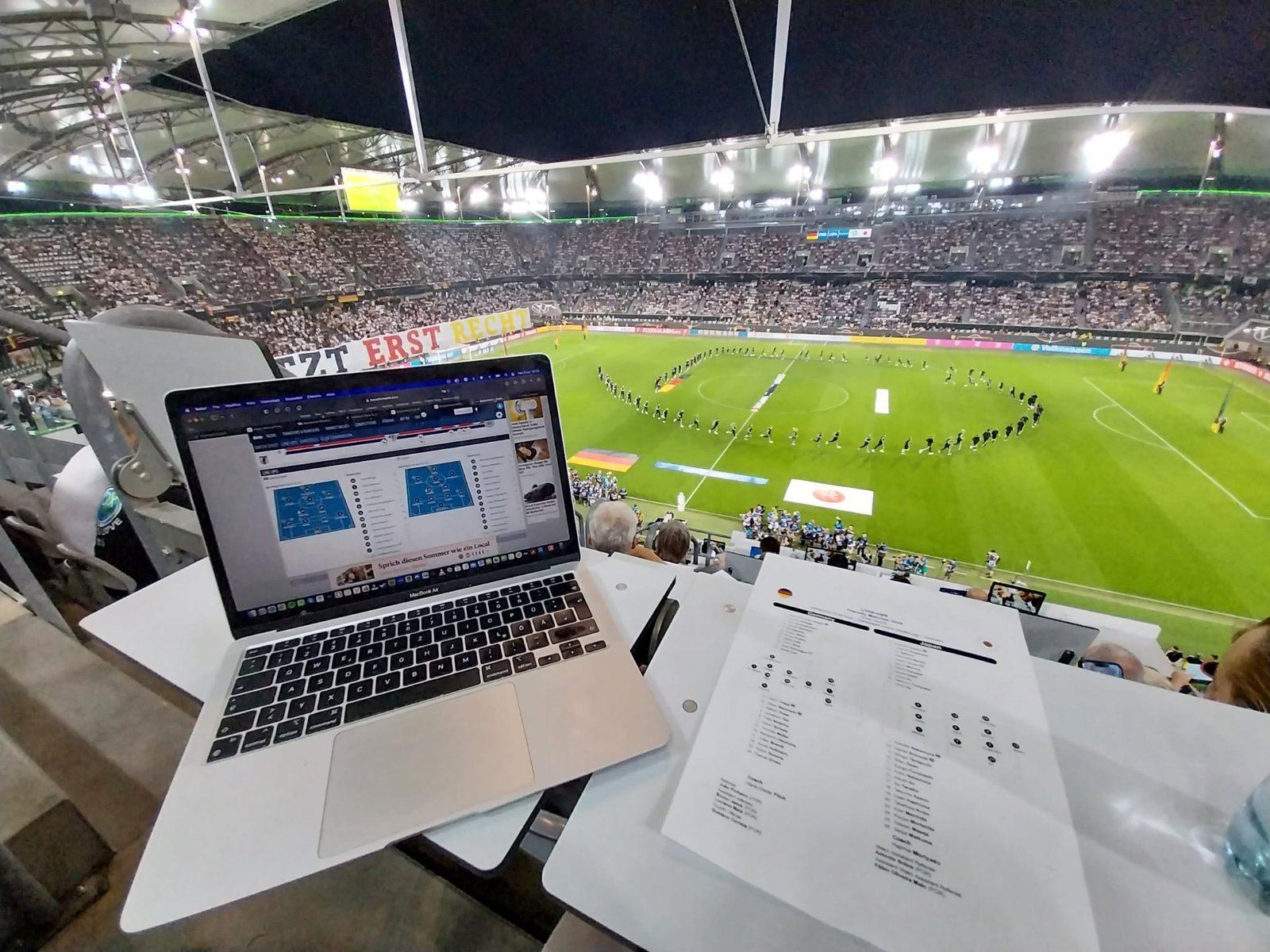
Between a national team with development margins and one totally still, the difference was palpable in Wolfsburg. Maybe the final result is too heavy on Germany, but it showed the progress under Moriyasu, something we felt was impossible. The stadium had a dedicated sector for Japanese fans, who reached Wolfsburg in numbers. And they witnessed a historical night.
Not only has Japan never won this size abroad against a powerhouse in football, but with the two final goals of Takuma Asano (again!) and Ao Tanaka, the dissatisfaction piled on Flick from the German crowd. It almost felt that this loss contributed to other things – indeed Flick was sacked the day after and the DFB picked Julian Nagelsmann to succeed him (at 35 years old).
How the times have changed
You could feel that German journalists needed to digest the result from the press conference of Hajime Moriyasu. There were at least 20-25 journalists, but only 3-4 took the headphones to hear the translation to German. Everyone was waiting for Flick, but Japan’s NT head coach said some interesting things (and the satisfaction of understanding those in German wasn’t low from my side).
“We had to test different systems, having four centre-backs for the future might be a chance. Last July, I started studying different solutions and we can’t stop developing them. We’ve done really well tonight, and we’ve controlled the game. Not only the players did well, but we executed the strategy marvellously. Today we won, but we hope that’s a spark for more stuff”.

Only one journalist – I must acknowledge that, from Deutsche Welle – asked more to Moriyasu, questioning if Germany was different to his eyes: “They had a strong middle part of the game. Yesterday I said in the press conference how Japanese football has thoroughly developed. Thanks to German teachers, we’ve received support from them. Many of our players have developed here – we learnt so much from Bundesliga, we have to thank them”.
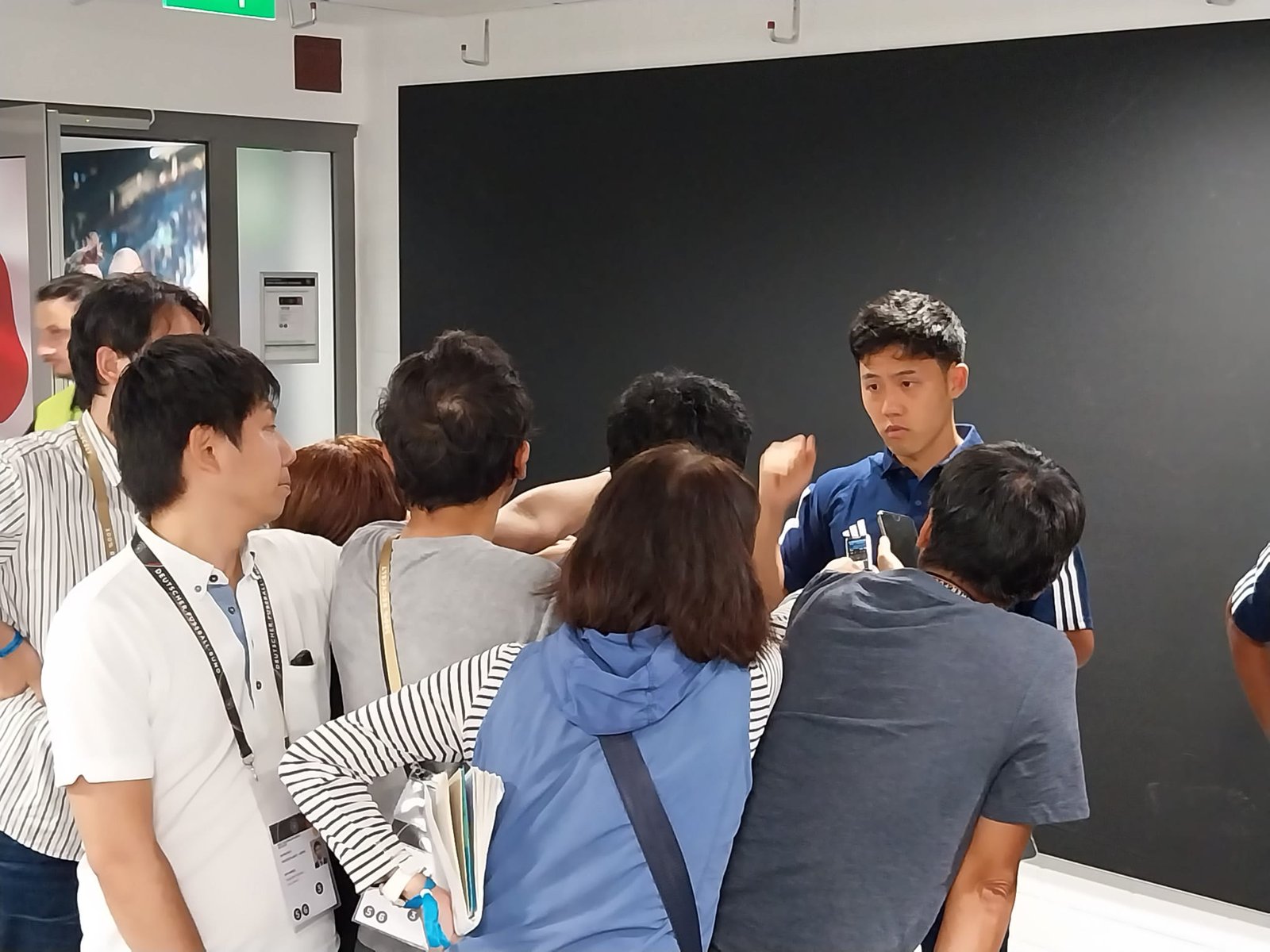
From that defeat in 2018 against Switzerland, only two players are still in the squad. One is Kosuke Nakamura, who didn’t play in Wolfsburg. And the other was Wataru Endo, who didn’t play in 2018 and now captained the team. I managed to ask him a question in the mixed zone, about how he felt over the development of the team he’s captaining:
“I’m really happy. Tonight we played well, but we could do much more. I’m glad we had this night”.
Arigatou, Japan
When I left Wolfsburg with my rental car, I felt like a kid who’d been to his favourite gelateria and ate all that he could. Five years later after that night in Lugano, it felt even too magical. The bus of the team left the Volkswagen Arena between two wings of people, cheering for them. Some days later, Japan played another impressive first half against Turkey, crushing the opponents with a 4-2 win.
That state didn’t stop in the last friendlies – yesterday Japan won 4-1 against Canada and hosted Tunisia to get revenge after the 3-0 home defeat. Tough to say if Japan can handle the biggest opposition now, but surely something has changed. And the talent – especially up front – is reaching all-time highs (I mean, Kubo and Mitoma are now evaluated €50M on Transfermarkt. That must be a record).
2026 looks positive. And January looks good – way better than how the future looked back in June 2018. And I have to thank Japan, because that friendly came at a moment when I didn’t think anything was going to break through. It came one month before I took over J. League Regista, which has been off the radar in the last months.
But everything looked in a different light that afternoon of late Summer in Wolfsburg. I felt rejoyced with the team I love, with the game I grew up with, with players that will definitely take the world. Japanese football is here to stay, and JLR doesn’t want to get lost in the excitement.